



Mango Pulp: Complete Guide to Benefits, Uses, Processing and Global Demand
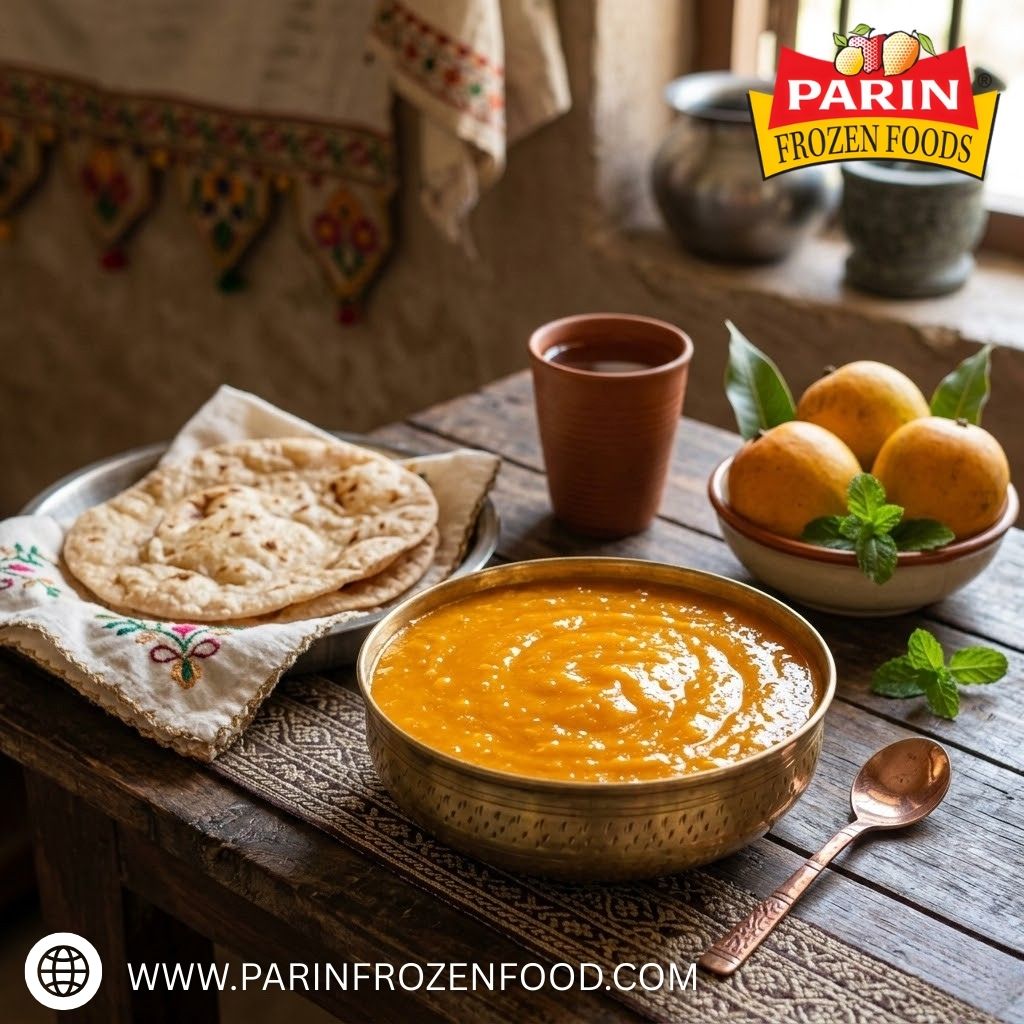
Mango pulp is widely used in beverages, desserts, dairy products, bakery items, and ready-to-eat food preparations. Because of its natural sweetness and smooth texture, mango pulp helps manufacturers create consistent and high-quality products throughout the year.
The global food industry depends heavily on premium mango pulp to produce juices, smoothies, ice creams, yogurts, sauces, and confectionery products. The growing demand for tropical fruit ingredients has significantly increased the demand for mango pulp in international markets. Many beverage brands and dessert manufacturers rely on processed mango pulp because it ensures stable flavor, color, and texture in large-scale food production.
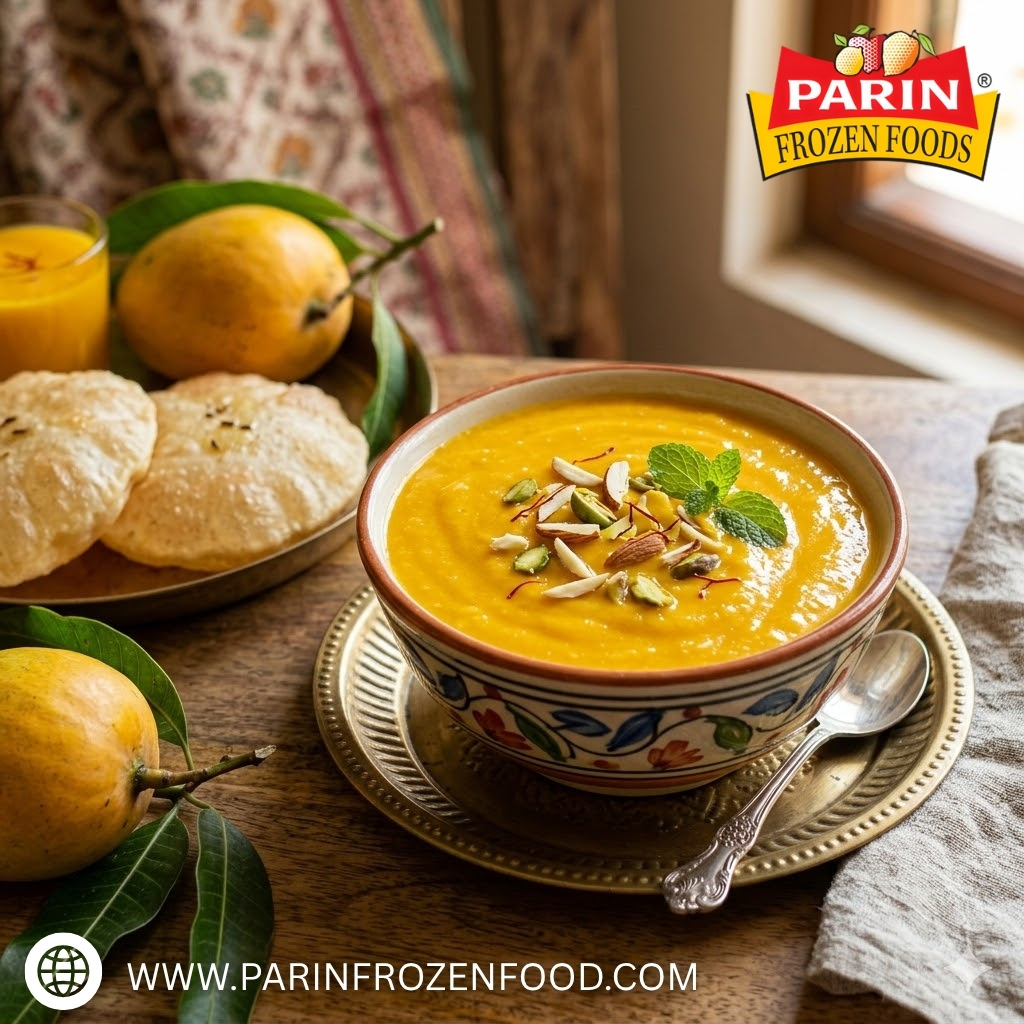
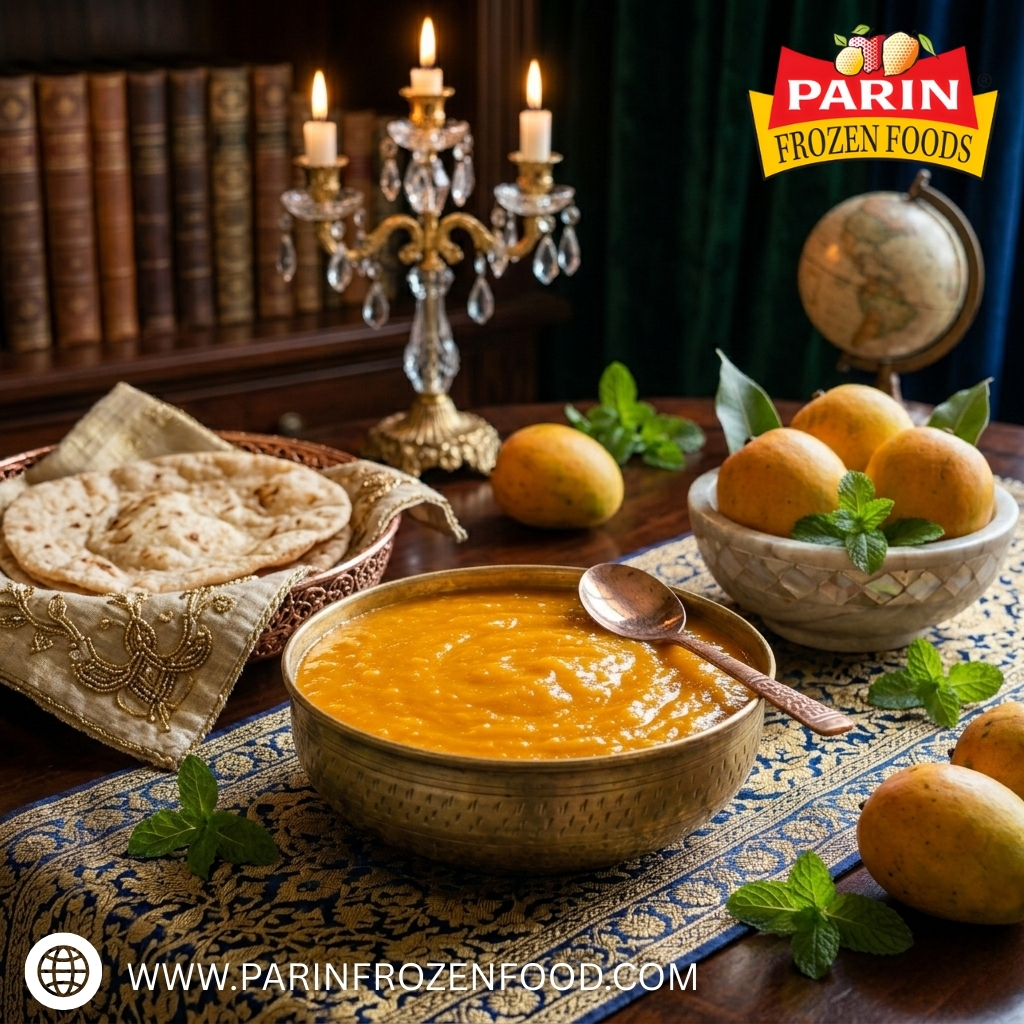
Companies like Parin Frozen Food are known for producing high-quality mango pulp using carefully selected ripe mangoes and advanced processing technology. By maintaining strict hygiene and quality standards, Parin Frozen Food supplies premium mango pulp to domestic and global food manufacturers. Businesses looking for reliable suppliers can easily explore high-quality mango pulp products through the company website parinfrozenfood.com, which offers trusted sourcing options for food industries worldwide.
Another important reason for the popularity of mango pulp is its ability to preserve the authentic flavor of fresh mangoes while allowing year-round availability. Since fresh mangoes are seasonal fruits, converting them into mango pulp helps maintain supply throughout the year. Properly processed mango pulp retains the fruit’s natural aroma, vibrant color, and nutritional benefits, making it a valuable ingredient in the global food processing industry.
Because of its wide applications, mango pulp is now considered a key ingredient in many processed food products. From refreshing beverages to creamy desserts, mango pulp adds both flavor and nutritional value. Food manufacturers, restaurants, and export businesses continue to increase their demand for premium mango pulp, making it one of the most important fruit-based ingredients in the global food supply chain.
What is Mango Pulp?
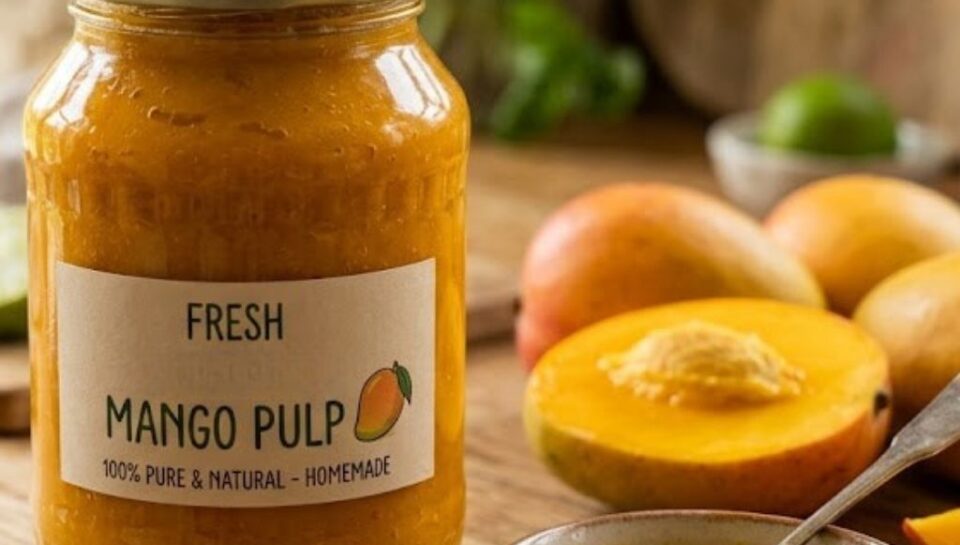
Mango pulp is the smooth, thick puree obtained from ripe mangoes after removing the peel and seed. The fruit flesh is processed using specialized equipment to create uniform and high-quality mango pulp that can be used in multiple food applications. Because of its naturally sweet taste and bright golden color, mango pulp is widely used across the food and beverage industry.
One of the main advantages of using mango is that it provides a consistent mango flavor throughout the year. Fresh mangoes are available only during specific seasons, but properly preserved mango allows manufacturers to produce mango-based products at any time.
High-quality mango is prepared from carefully selected mango varieties to maintain authentic taste and aroma. Premium producers like Parin Frozen Food ensure that every batch of mango meets strict international quality standards, making it suitable for both domestic consumption and export markets.
Nutritional Value of Mango Pulp
One of the major reasons for the increasing popularity of mango pulp is its excellent nutritional profile. Packed with essential vitamins, minerals, and antioxidants, mango pulp provides both taste and health benefits. This makes mango pulp a valuable ingredient not only in food processing but also in health-focused products.
Freshly processed mango contains high amounts of Vitamin A, Vitamin C, and dietary fiber. These nutrients help improve overall health and support the immune system. Because of this nutritional richness, mango is widely used in juices, smoothies, health drinks, and baby food products.
Another important advantage of mango is its natural sugar content. Unlike artificial sweeteners, the sugars present in mango provide natural sweetness while delivering energy to the body. This makes mango a preferred ingredient for beverage companies and dessert manufacturers.
Potassium and magnesium present in mango help maintain proper muscle function and support heart health. Many nutrition experts recommend including fruit-based products like mango in the diet to improve nutrient intake.
Food processing companies that source premium mango from trusted manufacturers such as Parin Frozen Food can ensure that their products retain the natural nutritional value of mangoes while maintaining consistent quality.
Health Benefits of Mango Pulp
The health benefits associated with mango make it more than just a delicious ingredient. Regular consumption of products made from mango can contribute to overall wellness and improved nutrition.
Boosts Immunity
One of the most important health benefits of mango is its ability to strengthen the immune system. Rich in Vitamin C and antioxidants, mango pulp helps the body fight infections and maintain overall health.
When included in juices or smoothies, mango provides a refreshing and nutritious way to support immunity.
Supports Eye Health
Vitamin A present in mango plays an important role in maintaining healthy vision. Consuming foods that contain mango can help support eye health and reduce the risk of certain eye problems.
This is one reason why mango is often included in health drinks and dietary products.
Improves Digestion
The fiber and natural enzymes present in mango help support digestion. These enzymes assist the body in breaking down food more efficiently.
Many digestive beverages and fruit blends include mango because it supports gut health while providing natural sweetness.
Promotes Skin Health
The antioxidants found in mango help protect the skin from damage caused by environmental factors. These nutrients help maintain healthy skin and reduce signs of aging.
Because of these benefits, mango is sometimes used in beauty drinks and health-focused products.
Provides Natural Energy
Another major advantage of mango pulp is its ability to provide quick and natural energy. Athletes and active individuals often consume beverages containing mango pulp because it helps replenish energy levels.
Mango Varieties Used for Mango Pulp Production
The quality of mango pulp largely depends on the variety of mango used during processing. Different mango varieties offer unique flavors, textures, and sweetness levels.
Alphonso Mango
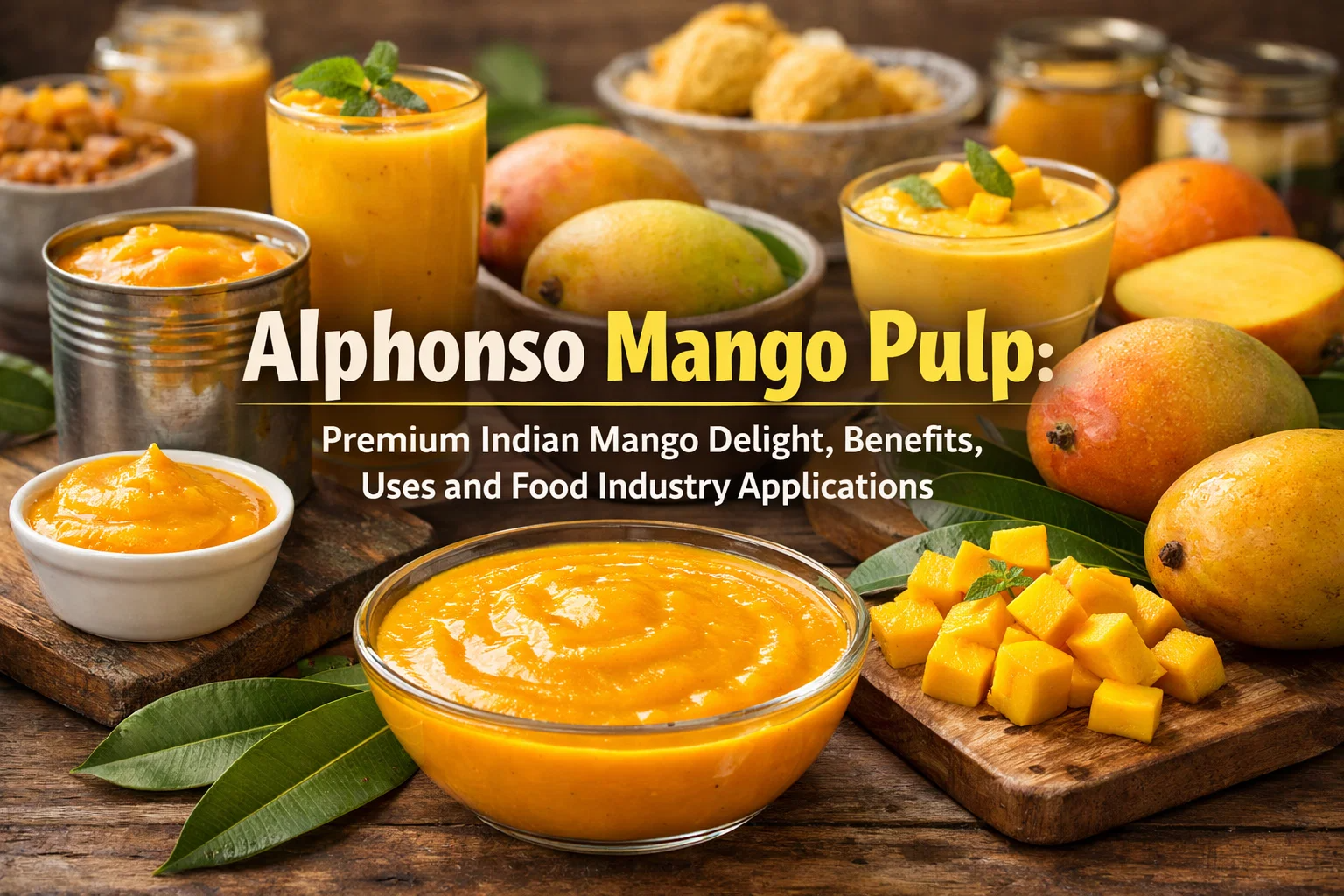
Alphonso is one of the most premium mango varieties used to produce mango . Known for its rich aroma and smooth texture, Alphonso-based mango is widely used in high-end desserts and beverages.
Many international food companies prefer Alphonso mango because of its exceptional taste.
Totapuri Mango
Totapuri mangoes are widely used in large-scale mango production. This variety has a slightly tangy taste, making it suitable for juices and processed beverages.
Totapuri mango is often used by beverage manufacturers due to its strong flavor profile.
Kesar Mango
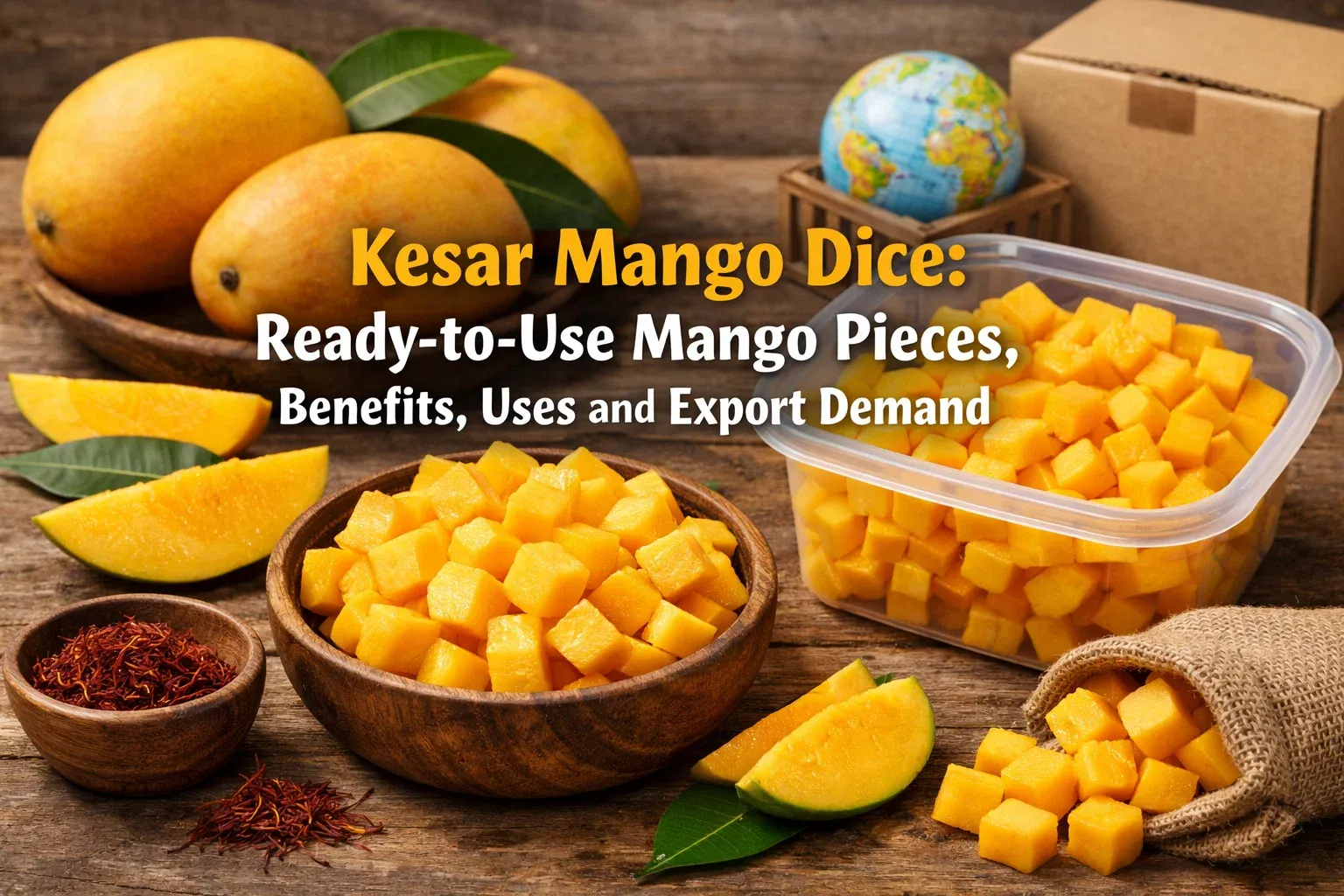
Kesar mangoes are known for their vibrant color and natural sweetness. Mango pulp made from Kesar mangoes is commonly used in premium desserts and dairy products.
Companies like Parin Frozen Food carefully select mango varieties to produce consistent and high-quality mango pulp for domestic and international markets.
Mango Pulp Processing: Step-by-Step Production Process
Producing high-quality mango requires careful processing and strict hygiene standards. The entire process is designed to maintain the natural flavor, color, and nutritional value of the fruit.
1. Mango Selection
The first step in producing premium mango is selecting fully ripe and high-quality mangoes. Only the best fruits are chosen to ensure superior taste and aroma in the final mango product.
2. Washing and Cleaning
After selection, mangoes are thoroughly washed to remove dust, pesticides, and impurities. Clean mangoes are essential for producing hygienic mango suitable for food processing.
3. Peeling and Deseeding
Once cleaned, the mangoes are peeled and the seeds are removed. The remaining fruit flesh is then prepared for mango extraction.
4. Pulp Extraction
Specialized machines process the mango flesh to extract smooth and uniform mango .This step ensures that the mango has a consistent texture.
5. Pasteurization
To extend shelf life and eliminate harmful bacteria, the extracted mango undergoes pasteurization. This process ensures that mango remains safe for consumption and suitable for export.
6. Packaging
The final is packed in aseptic bags, cans, or frozen packaging to maintain freshness and quality during transportation.
Companies such as Parin Frozen Food follow strict food safety protocols to produce export-quality mango that meets international standards.
Businesses looking to source premium can explore trusted suppliers like Parin Frozen Food through their official website parinfrozenfood.com.