




Introduction
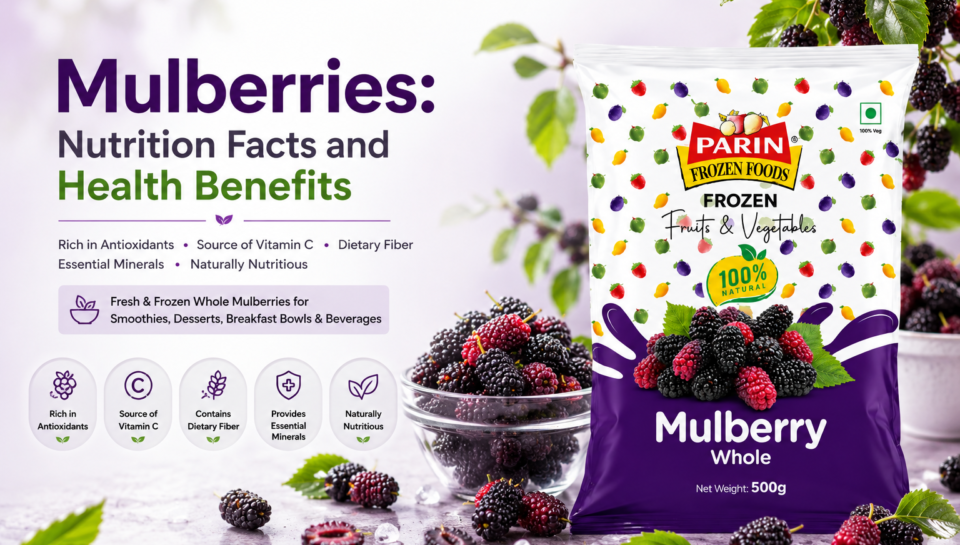
Mulberries are small, naturally sweet berries that come in several varieties, including white, red and dark-colored mulberries. Known for their juicy texture and mildly sweet-tart flavor, these fruits can be enjoyed fresh, frozen, dried or incorporated into a variety of foods and beverages.
Beyond their appealing taste, it provide several nutrients and naturally occurring plant compounds. They contain vitamin C, iron and other minerals, while their colorful pigments contribute antioxidant compounds.
For people looking to add more variety to their diet, whole berries can be a convenient and versatile fruit option. Frozen mulberries can also make it easier to enjoy the fruit throughout the year.
What Are Mulberries?
berries are fruits produced by trees belonging to the Morus genus. They are related to other fruiting plants such as figs and breadfruit. Depending on the variety and stage of ripeness, mulberries can range from white and red to deep purple or almost black.
The berries are small, soft and juicy, with a flavor that can range from mildly sweet to pleasantly tart. Their natural color and fruity flavor make them suitable for smoothies, desserts, breakfast bowls, bakery products, sauces and beverages.
Because fresh berries are delicate and highly perishable, preservation methods such as freezing can be useful for maintaining their availability beyond the short fresh-fruit season.
Mulberries Nutrition Facts
It can contribute several useful nutrients to a balanced diet. Their nutritional composition varies according to species, ripeness and serving size, so nutrition values should be considered approximate rather than universal.
Mulberries are known to provide:
- Vitamin C
- Iron
- Calcium
- Potassium
- Magnesium
- Dietary fiber
- Natural carbohydrates
- Plant-based antioxidant compounds
Healthline notes that mulberries contain vitamin C and iron and also provide various plant compounds that have been investigated for potential health effects.
Their combination of nutrients and naturally occurring compounds makes them an interesting addition to a varied diet.
1. Mulberries Provide Antioxidant Compounds
One of the key nutritional qualities of berries is their naturally occurring antioxidant compounds. Mulberries contain various plant compounds that contribute to their color and nutritional profile.
Antioxidants are substances that help protect cells from oxidative stress caused by unstable molecules known as free radicals. A diet containing a variety of colorful fruits and vegetables can provide a broad range of these compounds.
The deeper colors found in some varieties are associated with naturally occurring pigments such as anthocyanins and other polyphenolic compounds. However, the exact composition can vary between varieties.
Rather than relying on a single “superfood,” it is generally better to include a variety of fruits and vegetables as part of an overall balanced eating pattern.
2. Mulberries Can Support a Nutrient-Rich Diet
It provide several vitamins and minerals that contribute to normal body functions.
Vitamin C is one of the notable nutrients found in mulberries. It plays roles in normal immune function, collagen formation and iron absorption.
It is also provide iron, a mineral involved in the formation of hemoglobin and the transportation of oxygen throughout the body. Including iron-containing foods as part of a varied diet can therefore contribute to overall nutritional adequacy.
Other minerals found in it include calcium, potassium and magnesium. These nutrients are involved in processes including normal muscle and nerve function and maintaining healthy bones.
3. Mulberries Provide Dietary Fiber
Dietary fiber is another useful component of fruit. It can contribute fiber to the diet, which is important for maintaining normal digestive function.
Fiber passes through the digestive system differently from other carbohydrates. Adequate dietary fiber can help support regular bowel movements and contributes to a healthy eating pattern.
Adding whole fruits such as mulberries to breakfast bowls, smoothies or snacks can therefore be an easy way to increase fruit and fiber intake.
For the best overall nutritional balance, mulberries can be combined with other fiber-containing foods such as oats, whole grains, vegetables, nuts and seeds.
4. May Complement Heart-Healthy Eating
A healthy diet for cardiovascular wellness generally emphasizes fruits, vegetables, whole grains, legumes, nuts and other nutrient-rich foods.
It can fit naturally into this type of eating pattern because they provide fiber, micronutrients and plant compounds while adding natural sweetness.
Some research has investigated compounds in relation to cholesterol and blood sugar, but evidence for specific health effects is still developing. Therefore, mulberries should be viewed as a nutritious fruit rather than a treatment for cardiovascular or metabolic conditions.
Enjoying a variety of fruits regularly is a more practical approach than relying on one particular fruit for a specific health outcome.
5. Can Add Variety to Everyday Meals
One of the biggest advantages of mulberries is their versatility.
It can be eaten as a snack or added to different recipes. Their naturally sweet-tart flavor works well with both sweet and creative savory preparations.
Some simple ways to enjoy mulberries include:
- Adding them to smoothies
- Mixing them with yogurt
- Serving them with oatmeal
- Adding them to breakfast bowls
- Using them in muffins and cakes
- Preparing homemade sauces
- Blending them into fruit beverages
- Adding them to ice cream or frozen desserts
- Using them in jams and spreads
Dried mulberries can also be added to granola, cereals and snack mixes, while mulberry powder can be used in smoothies and other preparations.
Fresh Mulberries vs Frozen Mulberries
Fresh mulberries are delicious but can be delicate and difficult to store for extended periods. Frozen berries offer a practical alternative when fresh fruit is unavailable.
Freezing allows consumers and food businesses to keep berries available for longer periods and makes them convenient for smoothies, desserts and food preparation.
More broadly, research and nutrition guidance indicate that frozen berries can have nutritional profiles comparable to fresh berries, particularly when fruit is frozen close to peak ripeness.
For commercial food applications, It can also provide convenience because they can be stored and portioned according to production requirements.
How to Use Frozen Whole Mulberries
Frozen whole berries can be used in numerous recipes without complicated preparation.
Smoothies
Blend frozen with banana, yogurt or milk for a naturally fruity smoothie. Other berries can also be added to create a mixed-berry beverage.
Breakfast Bowls
Add frozen or thawed berries to oatmeal, yogurt, cereal or smoothie bowls. Top with nuts, seeds and other fresh fruits for additional texture.
Desserts
berries can be incorporated into ice creams, puddings, cakes, muffins and other desserts. Their natural color can also make desserts visually appealing.
Beverages
It can be blended into juices, shakes and fruit-based beverages. They can also be combined with other fruits for more complex flavor profiles.
Bakery Products
Whole or processed mulberries can be used in muffins, cakes, pies and other bakery products, depending on the desired texture and recipe.
Why Choose Frozen Whole Mulberries?
Frozen whole mulberries are particularly useful for consumers and businesses that want convenient access to the fruit outside its normal fresh availability.
For food manufacturers, restaurants, cafés, bakeries and beverage businesses, frozen fruit can simplify ingredient storage and provide consistent availability for different recipes.
When selecting frozen mulberries, look for products with clear packaging, good-quality fruit, appropriate frozen storage and reliable sourcing.
A quality frozen fruit product should maintain the natural appearance of the fruit as much as possible while being handled and stored under suitable frozen conditions.
Are Mulberries Good for Everyday Consumption?
For most people, mulberries can be included as part of a varied and balanced diet. They provide natural sweetness along with nutrients and plant compounds.
However, no single fruit provides every nutrient the body needs. A healthy eating pattern should include a variety of fruits, vegetables, whole grains, protein sources and healthy fats.
People with specific dietary requirements, food allergies or medical conditions should follow advice from a qualified healthcare professional.
Frequently Asked Questions About Mulberries
What are the main benefits of mulberries?
It provide nutrients such as vitamin C and iron, along with dietary fiber and naturally occurring plant compounds. They can be a nutritious addition to a varied diet.
Are frozen mulberries healthy?
Frozen berries can be a convenient way to enjoy the fruit throughout the year. Freezing is commonly used to extend the usability of berries while maintaining much of their nutritional value.
Can I use frozen mulberries in smoothies?
Yes. Frozen berries are particularly convenient for smoothies because they can add fruit flavor, natural color and a thicker texture without requiring much preparation.
Are mulberries rich in antioxidants?
It contain naturally occurring antioxidant compounds, including polyphenolic compounds. The exact antioxidant profile varies according to the type and maturity of the fruit.
How can I eat whole mulberries?
berries can be eaten on their own or added to yogurt, oatmeal, smoothies, desserts, cereals and bakery products.
Can businesses use frozen whole mulberries?
Yes. Frozen whole berries can be useful for food manufacturers, bakeries, restaurants, cafés, beverage producers and dessert businesses that require convenient fruit ingredients.
Conclusion
Mulberries are more than a naturally sweet and flavorful berry. They provide vitamin C, iron, dietary fiber, minerals and a range of naturally occurring plant compounds that can contribute to a nutrient-rich eating pattern.
Their versatility makes them suitable for smoothies, breakfast bowls, desserts, beverages and bakery applications. Frozen whole mulberries offer an additional advantage by making this delicate fruit available beyond its fresh season.
Whether you enjoy them as a simple snack or use them as an ingredient in commercial food products, berries are a flavorful way to add more variety to your diet.